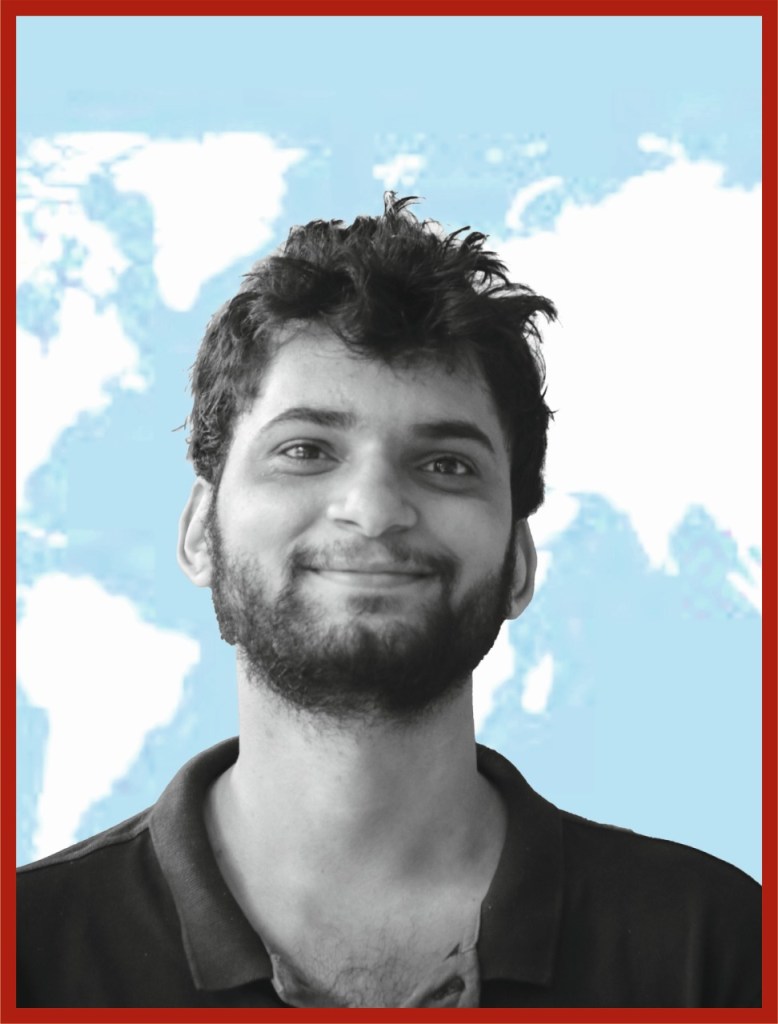
The IndoPacificPolitics.com talked with Dheeraj Dubey, the founder of the Delhi based Centre for Contemporary Folklore, a project of the ParrotHouse Foundation for preserving folklore in India. With Dheeraj, IIP discussed India’s rich folk heritage and its connection with other folk heritages of the world, particularly the folk heritage of the 16 indigenous tribes of Taiwan.
Heritage preservation can be an important tool to build social capital between two societies. In democracies, folklore heritage can play an an important part in building grassroots institutions and strengthening democratic approaches. IIP is trying to build a project between Centre for Contemporary Folklore, India and similar organizations in Taiwan for collaboration and joint publishing of the folklore of India and Taiwan.
IPP: What’s the importance of folklore heritage for India? How rich is this Indian heritage?
Dheeraj Kumar Dubey: India’s folklore is like a living library that holds centuries of wisdom, wit, and worldview passed down orally through generations. It’s not just about storytelling but how communities have understood their place in the world through songs, riddles, rituals, and legends. I have had the privilege of a childhood shaped by bedtime stories of fairies and talking animals. Sitting with my grandparents on quiet evenings, I listened to their tales, which brought a world beyond the everyday to life and carried messages and values that scared and awed me. For a long time, I believed that stories have a universal message that transcends their lifeworld to intrigue and wow us.
All stories are constructions and contextual to their time and region. They are not just children’s tales carrying lessons to school them but rich repositories of knowledge and our history. Looking back, I see stories everywhere, in the subtle turn of everyday phrases, in Instagram reels, songs, films and cultural artefacts. Some stories are familiar, others lesser known, but all rich and diverse. These stories don’t have one author; there is no way to pinpoint how they began. But they continue to travel and change shapes. Through my work with the Centre for Contemporary Folklore, I’ve seen just how vast and intricate India’s folklore landscape is. Every state, every tribe, every linguistic community has its storytelling universe which is adapting, surviving, sometimes resisting.
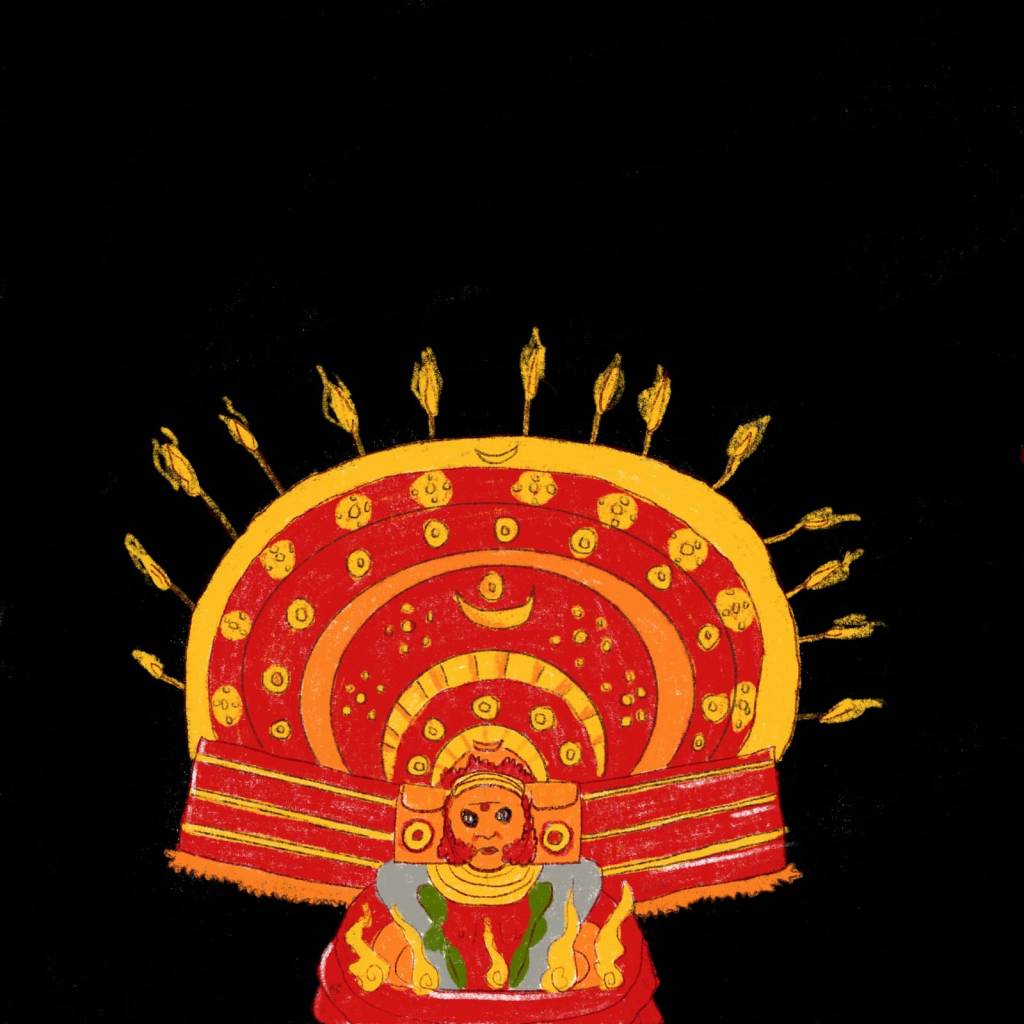
But today, this heritage is fragile. Migration, urbanisation, loss of mother tongues, and standardised education have disrupted traditional modes of storytelling while creating new ones. Stories do find their way to us, but there is an interplay of technology, market and power structures that they seep through. During a field visit to the Satpura Tiger Reserve during my Master’ internship, I was struck by a profound realisation. When I asked children in a remote village to recite songs or stories from their community, they drew blanks. The stories that once defined their cultural identity had faded from memory. This moment of loss was not just about forgotten tales; I felt it was about the erosion of a community’s shared history, resilience, and future. I left that village wanting to engage with these stories to ensure they do not vanish into oblivion.
That’s why preserving folklore isn’t just about nostalgia — it’s about identity, about honouring the knowledge systems of indigenous and marginalised communities. These stories offer insight into how people relate to their environment, resolve conflicts, and build social harmony. My grandparents’ stories were not just for a child’s entertainment or schooling; they were an intangible heritage in practice, with knowledge about a culture’s value system and identity passed down to me. Today, I see those folk tales as both keys to a shared past and a repository of knowledge about how society has been shaped over time.
IPP: Taiwan has 16 indigenous tribes with their own rich heritage. What commonality do you find between the heritage of different countries’ indigenous communities? What’s noticeably common between those of India and Taiwan?
Dheeraj Kumar Dubey: One of the most remarkable things connecting indigenous communities in India and Taiwan—and across the globe—is their deep-seated, respectful relationship with nature. Their vibrant stories, songs, and customs often celebrate the beauty of forests, rivers, animals, and the changing seasons. Whether it’s a wise tribal elder from Odisha sharing the tale of a mountain spirit or a beloved Paiwan grandmother in Taiwan sharing the origins of a millet crop, there’s a rich ecological wisdom and a spirit of respect and coexistence with nature that flows through their folklore.
Language is another important shared concern. Indigenous languages are truly the heartbeat of these oral traditions, and both India and Taiwan face a significant challenge with the risk of losing these languages. When a language fades away, so do stories woven with local metaphors, unique worldviews, and cultural humour that can’t be easily translated.
Indigenous stories from both countries resonate with a sense of quiet resistance—not in a loud political way but in their gentle insistence on preserving memory and autonomy. The rituals, oral epics, and seasonal songs affirm, “We are here, we belong, we remember.” Through my experiences with storytellers from tribal and marginalised communities in India, I have witnessed how folklore acts as a kind of cultural shield. I can imagine it’s a similar experience for many indigenous Taiwanese youth longing to reconnect with their roots.
“One of the most remarkable things connecting indigenous communities in India and Taiwan—and across the globe—is their deep-seated, respectful relationship with nature.”
Dheeraj Kumar Dubey
IPP: What is the potential of joint research on India-Taiwan folklore heritage? How can they support each other preserve their indigenous heritage?
Dheeraj Kumar Dubey: The potential is truly enormous and exciting! Joint research opens up wonderful opportunities for creating comparative storytelling archives, bilingual folktale books, shared podcasts, and enriching academic exchanges. Just imagine collaborative archives where a tale from the Atayal tribe in Taiwan is beautifully placed alongside a Bhil folktale from Madhya Pradesh. This would foster empathy and appreciation that transcends borders.
India and Taiwan can also learn a great deal from each other’s methodologies. Taiwan has accomplished impressive work in digitising Indigenous languages and brought tribal voices into national policy. On the other hand, India boasts vibrant community-driven storytelling festivals, strong folklore departments in universities, and grassroots initiatives like ours at CCF, which focus on collecting and archiving local stories.
We can create exciting platforms for shared storytelling through fellowships, artist residencies, educational exchanges, and even co-produced podcasts or short films. The goal is not just to study folklore in a museum-like way, but to keep it vibrant and alive, echoing in the voices and performances of the people who carry these cherished traditions forward!
IPP: Can you share about your organization and the kind of work you do? Share about an exciting recent project?
Dheeraj Kumar Dubey: Absolutely! I founded the Centre for Contemporary Folklore (CCF) in 2024. Our Centre is all about preserving, promoting, and celebrating the rich tapestry of India’ s diverse oral and cultural traditions. We take a multifaceted approach, concentrating on dissemination, preservation, and advocacy. In our mission to preserve and archive Indian folktales, we team up with communities nationwide to collect, record, and catalogue folklore with academic care, using both digital platforms and traditional archival methods.
CCF is driven by a vision to connect scholarly inquiry with community- based knowledge systems, encouraging interdisciplinary dialogue and knowledge exchange. Through our small but steady efforts, we aim to develop innovative ways to document, analyse, and interpret Indian folk narratives. This helps maintain cultural continuity, fosters social cohesion, promotes intergenerational dialogue, and preserves linguistic diversity.
We started small, simply wanting to collect oral stories before they faded away. We have now become a vibrant collective of storytellers, researchers, educators, and artists working hand in hand to document, digitise, and share India’s living folklore.
One of our most recent and exciting projects is The ParrotHouse Podcast, launched in collaboration with Parwana Theatre, with the support of Hyundai’s 2024 Art for Hope grant. The ParrotHouse podcast offers a unique audio experience that explores the rich landscapes of folklore in India. Each episode is told in a storytelling format, bringing lesser-known folktales from various regions of India to life while blending informative context with captivating narratives. To ensure accessibility, the podcast is also accessible to individuals with hearing disabilities, as we have incorporated ISL translation on YouTube.
Another intriguing project we are excited about is our upcoming illustrated book of environmental folktales from every state and union territory in India. This project reflects our personal and collective commitment to preserving indigenous storytelling and reviving ecological consciousness. We are collaborating with over 20 talented illustrators and are excited to see this book come to life!
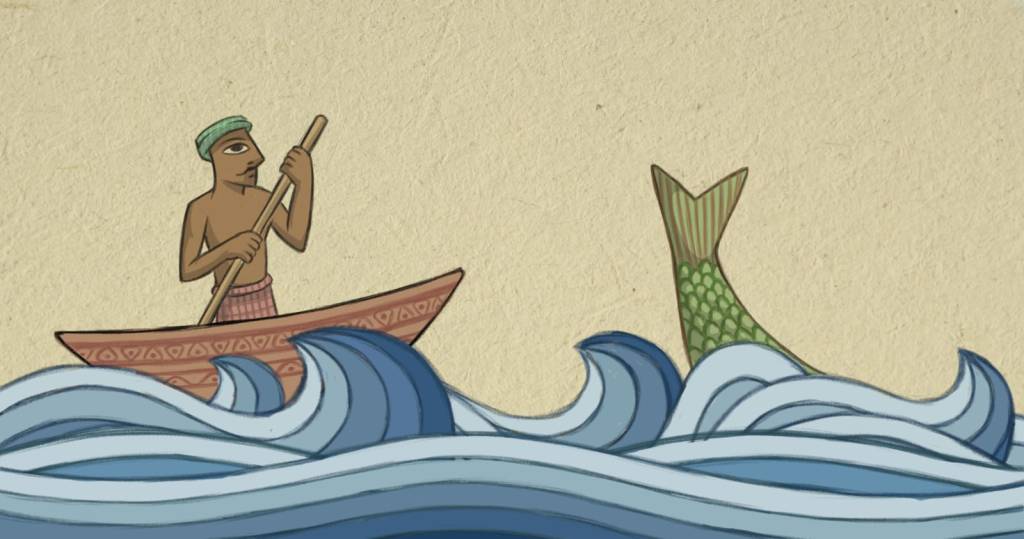
IPP: What are your recommendations for collaboration on heritage preservation, particularly folklore heritage preservation between India and Taiwan?
Dheeraj Kumar Dubey: Storytelling is a rich experience; the community must lead its preservation. I suggest establishing Story Circles — inviting safe spaces where community elders from India and Taiwan can joyfully share their stories with researchers and youth. Let’s allow the research to follow the stories, not vice versa.
We should also embrace multimedia documentation — think videos, illustrated books, animations, and podcasts — because we live in a visual-first world. Imagine a beautifully illustrated folktale book from India and Taiwan or an animated series highlighting parallel tales from Taiwan’s hills and Chhattisgarh’s forests.
Language revival can also be done through storytelling. Together, we can create indigenous language documentation projects, mobile apps, and song archives. A Gondi song beautifully resonates with a lullaby in Amis — Youth from both countries could collaborate to keep these precious traditions alive.
Lastly, let’s work toward building bridges at the policy level — where culture ministries, art councils, and educational institutions from India and Taiwan come together to fund, support, and share this effort.
IPP: Is there anything else that you want to share with our readers on this topic?
Dheeraj Kumar Dubey: Just a gentle reminder that heritage is not about the past—it’s about continuity. It’s about the wisdom we choose to carry forward. In today’s world, where we’re flooded with information but starved of meaning, folklore offers something precious: rootedness, perspective, and resilience.
We must also recognise that the knowledge keepers of our heritage—often women, elders, and marginalised communities—deserve not just acknowledgment but platforms, resources, and respect. Preservation must go hand in hand with dignity.
So, to anyone reading this — whether from India, Taiwan, or elsewhere — I urge you to ask your grandparents for a story tonight. Record it. Share it. That simple act is where preservation begins.
 क्षेत्रीय संवाद (Platform for Regional Discourse ) 區域對話的平台