By Dr. Sampa Kundu
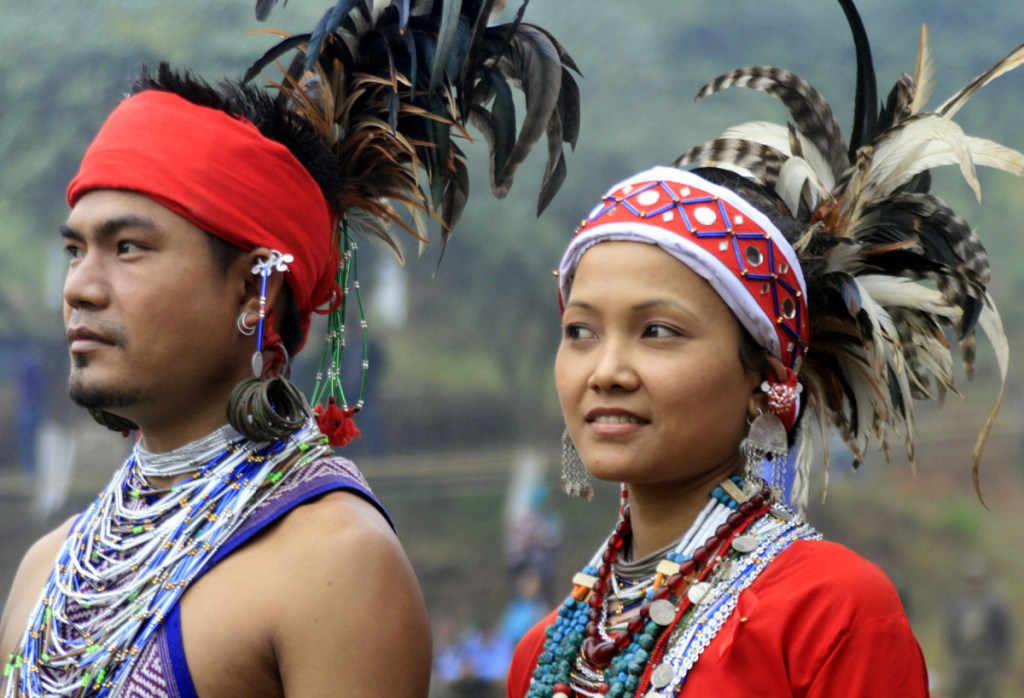
Cultural diplomacy is crucial for India and Taiwan for several strategic, soft power, and identity-related reasons. It has emerged as a key element in India-Taiwan bilateral relations due to limited political-diplomatic ties. Cultural diplomacy is a powerful, low-risk, high-impact tool in this context. It serves many purposes for India. Through cultural exchanges, film festivals, yoga events, Buddhist linkages, and academic collaborations, India projects its civilizational heritage, pluralism, and spiritual depth. On the other hand, Taiwan showcases its democratic values, creativity, and historical uniqueness. This helps both nations strengthen their international image and build people-to-people trust.
Besides civilizational and religious heritage, India and Taiwan are stressing on contemporary mediums of cultural diplomacy and P2P contacts. Student exchanges, fellowships, and forming Indian cultural centers in Taiwan are leading to long-term partnerships between two countries. Cultural diplomacy often opens the door to economic and technology partnerships as well. As India seeks to diversify trade and investment sources and Taiwan looks for trusted partners amid regional tensions, cultural understanding reduces psychological and political distance between the two societies. Cultural diplomacy also helps in shaping public opinion and public opinion helps in foreign policy making. Cultural initiatives build public support for deeper engagement without drawing diplomatic ire or provoking backlash.
Cultural diplomacy serves as a quiet force multiplier. It enables India and Taiwan to build a resilient partnership, overcome diplomatic obstacles, and foster goodwill through shared values, heritage, and human connection.
“Cultural diplomacy often opens the door to economic and technology partnerships as well.”
Dr. Sampa Kundu
People-Centric diplomacy
People-centric cultural diplomacy focuses on building international relationships and trust through direct engagement between citizens, rather than just between governments. It goes beyond diplomatic-level dialogues to include students, artists, scholars, spiritual leaders, and communities, promoting mutual understanding, grassroots connections. It helps in promoting P2P contacts across the regions, support building a shared identity.
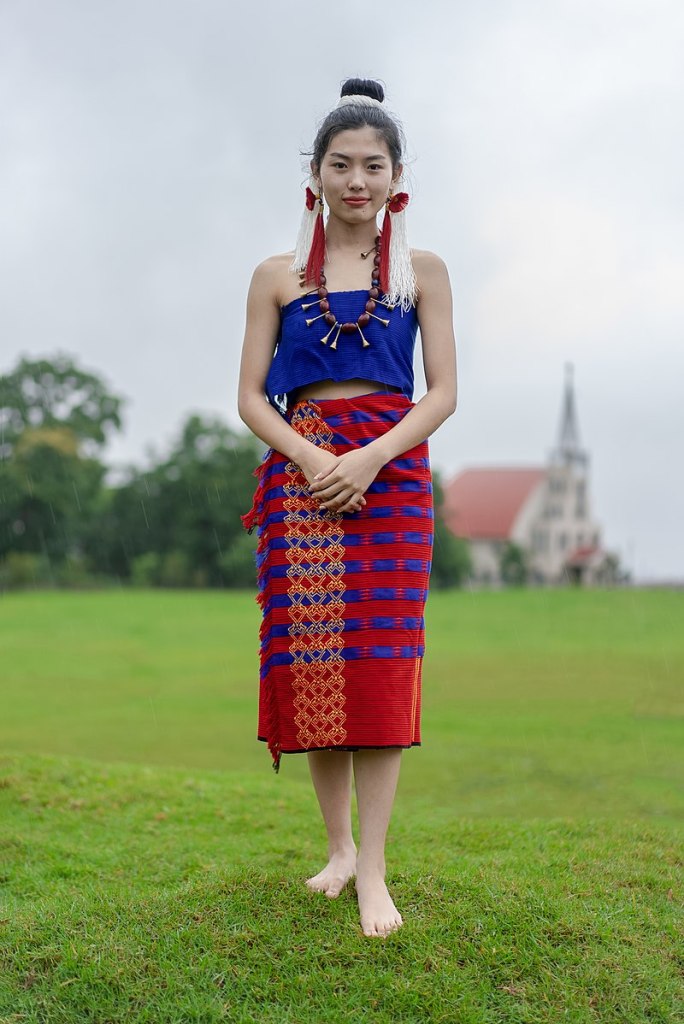
Viswema/Wikimedia Commons)
Northeast India in India-Taiwan relations
India’s Act East Policy gives a special position to Northeast India as a key element. On the other hand, Taiwan’s New Southbound Policy has the potential to expand and consider Northeast India as an entry point to South Asia. Besides this geo-strategic nuance, cultural roots are quite stronger between Northeast India and Taiwan. Many ethnic groups in Northeast India (like Tai-Khamtis, Tai-Phakes, Ahoms) have historical and cultural links to Southeast Asia and East Asia.
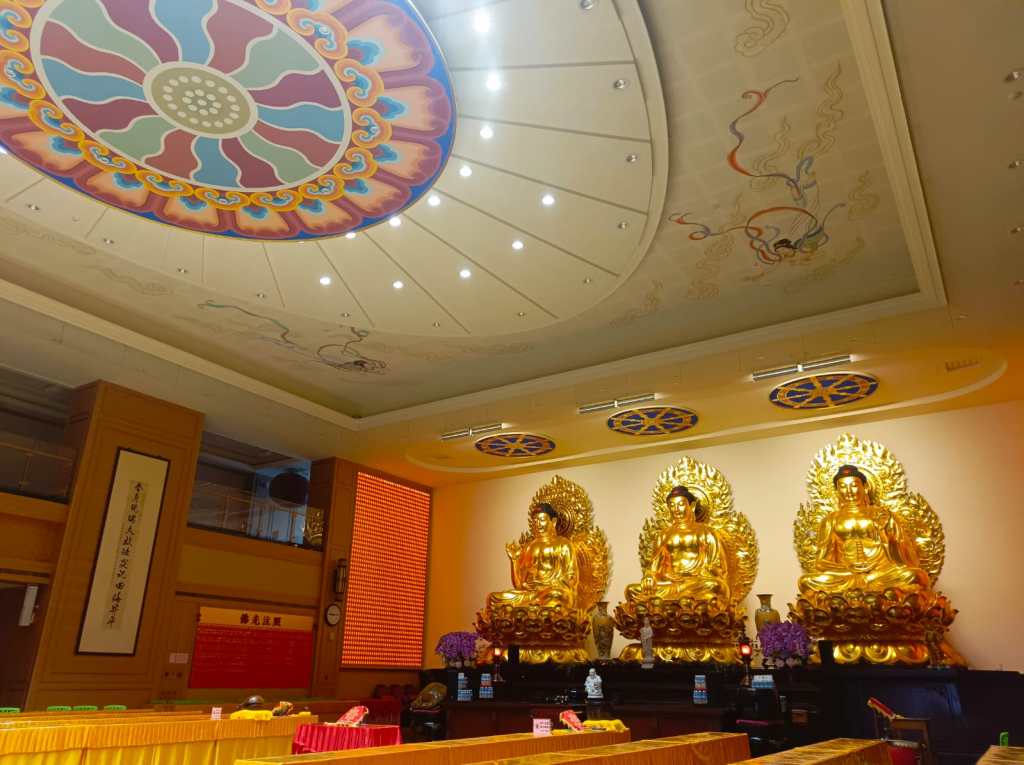
Theravāda and Mahāyāna Buddhist traditions are practiced in Arunachal Pradesh, Assam, and Tripura and similar practices are found in Taiwan, making spiritual and cultural exchanges organic and meaningful. Tourists from Taiwan may visit Buddhist tourist places India more if infrastructure and connectivity are improved.
Policy makers should also take into account the young population from Northeast India and incorporate their dreams into the policies. They need to be included in initiatives like film making, AI and technology skilling, higher education and language training. These initiatives will help them build their career at the international level.
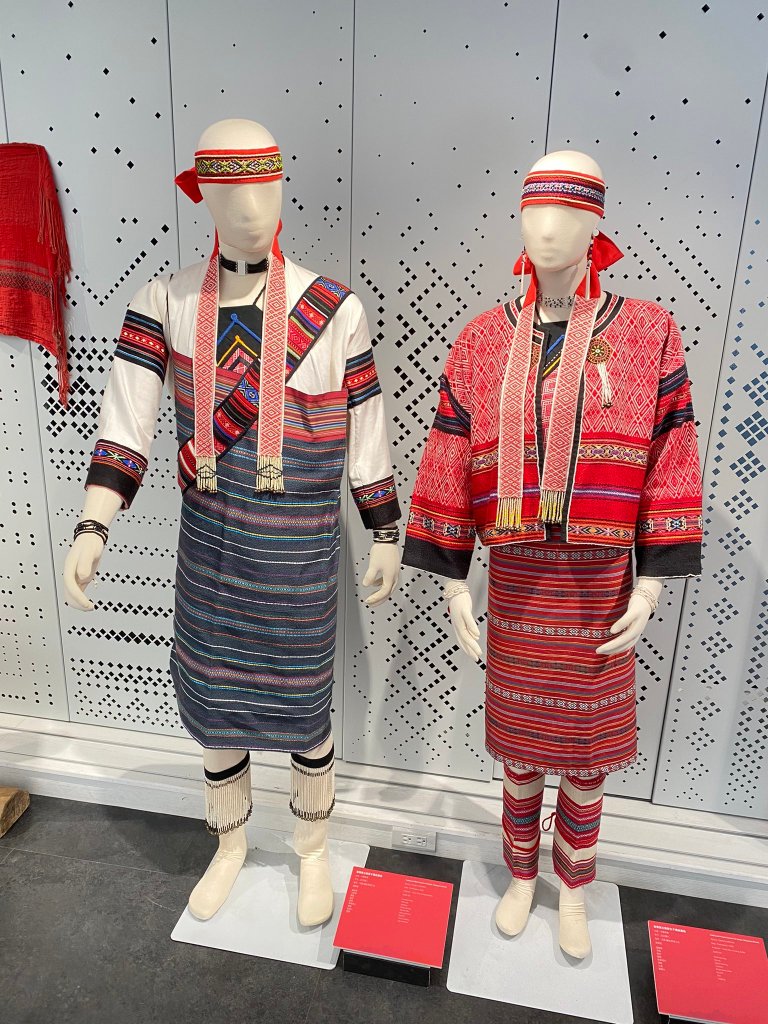
Promote ethical and sustainable tourism
Ethical and sustainable tourism has the potential to promote responsible travel that empowers local communities, preserves cultural and natural heritage, and minimizes environmental harm. In countries like India and Taiwan, rich in indigenous cultures and biodiversity, this model can drive inclusive development. By supporting community-run home stays, promoting eco-friendly infrastructure, and integrating traditional knowledge into tourism experiences, both nations can ensure that tourism benefits local people while protecting fragile ecosystems.
Both countries need to invest in ethical marketing, transparent revenue-sharing, and visitor education to further reinforce respectful engagement. India and Taiwan can develop joint initiatives such as cultural exchanges, shared heritage circuits, and capacity building programmes for tour operators to help position themselves as global leaders in sustainable tourism.
Promote Storytellers Clubs
Storytellers, often elders, musicians, weavers, dancers, or local historians, act as living archives of their communities, passing down myths, folklore, rituals, and ecological wisdom.
For example, the folktales of the Khasi people often reflect themes of harmony with the forest, while Tai Khamti monks narrate Buddhist parables blended with tribal legends. These age-old traditions and art of storytelling can be clubbed with youth-led initiatives to help them revive. With the use of digital tools and technologies, these story-telling clubs can prepare digital archive on folklore, folk music, local forms of art and dance etc and make it open source for common people to visit those digital archives and create awareness on the local history and traditions of that region.
Together, these storytellers will offer a people-centric bridge between cultures, showcasing how oral heritage that fosters empathy, resilience, and sustainable tourism. Collaborations between storytellers from both regions can amplify indigenous voices and inspire a new wave of ethical cultural exchange.
Engaging the Youth through Sports Diplomacy
Through shared athletic interests, India and Taiwan can build goodwill, promote cultural understanding, and foster youth engagement. Common sports like badminton, table tennis, volleyball, and athletics provide natural platforms for friendly competitions, training camps, and exchanges.
Additionally, the rich heritage of indigenous games, such as Thang-Ta (traditional Meitei martial art) from Northeast India and traditional archery from Taiwan’s tribal communities, can be used to strengthen grassroots-level cultural diplomacy. Joint sports festivals, youth tournaments, and university-level championships can pave the way for deeper people-to-people engagement and a sustainable, non-political form of soft power.
Indigenous game championships can help foster new cultural connection and also preserve traditions of indigenous tribes for both India and Taiwan.
Dr. Sampa Kundu
Dr. Sampa Kundu serves as a Consultant at the ASEAN-India Centre (AIC) at RIS, a position she has held since October 2021. In this role, she conducts in-depth research and writes on various aspects of ASEAN-India relations, contributing to policy recommendations and strategic frameworks on the ASEAN-India partnership, India’s Act East Policy, and Southeast Asian regional affairs. This reflects her deep engagement with the region’s evolving geopolitics and cultural linkages. She earned her PhD from the Centre for Indo-Pacific Studies, School of International Studies, Jawaharlal Nehru University (JNU), New Delhi, in January 2015. She has over a decade of experience in research, academia, and consultancy at prestigious institutes including MP-IDSA, New Delhi, Symbiosis International (Deemed University), Pune and Amity University, Noida.
Views expressed in this article are of the author and do not necessarily reflect the views of the publication, The Indo-Pacific Politics.
 क्षेत्रीय संवाद (Platform for Regional Discourse ) 區域對話的平台